
Weight Loss
🍏Navigating Nutrition While Using GLP-1 Medications
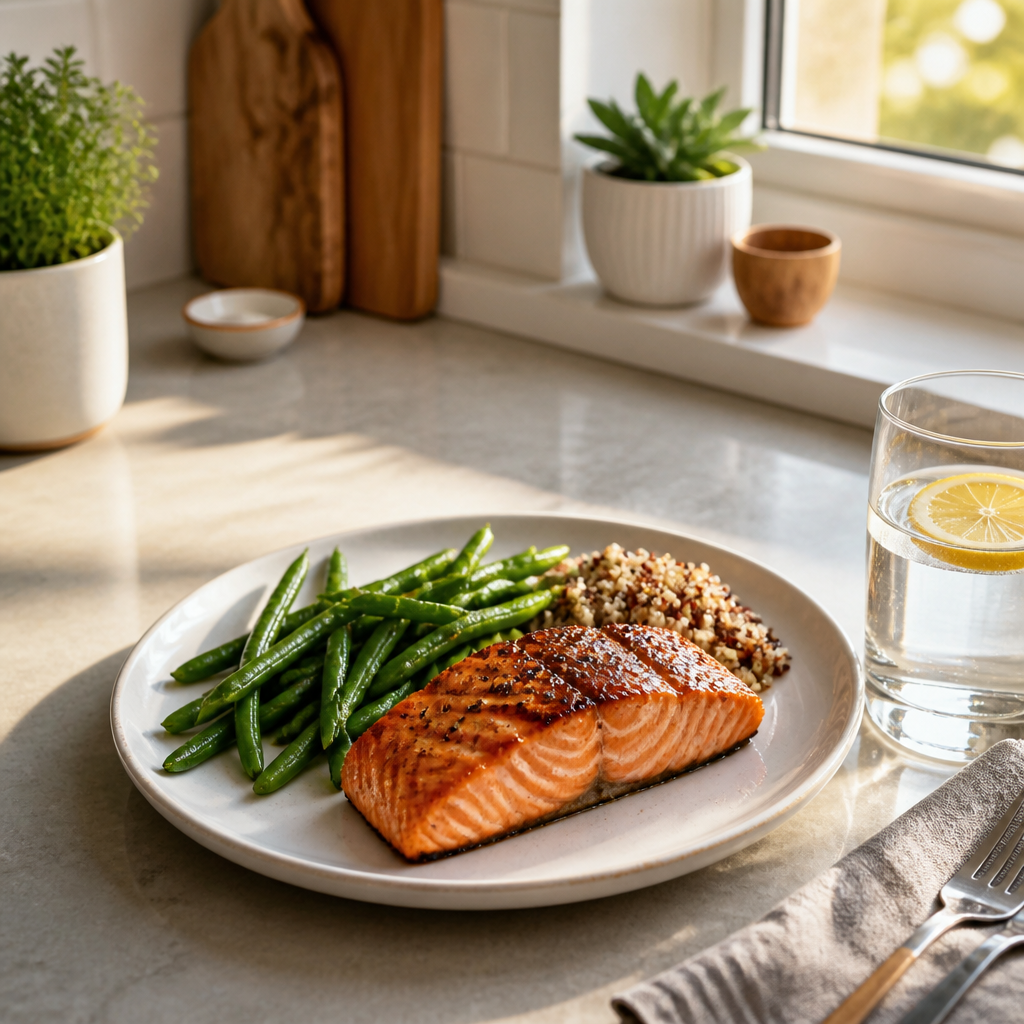
GLP-1 receptor agonists are a class of medications increasingly recognized for their role in managing blood sugar and supporting weight management. While these medications can be an important tool, their efficacy is often enhanced by thoughtful nutritional choices. These medications work, in part, by slowing gastric emptying and affecting satiety signals. Consequently, how and what one eats can significantly influence experience and outcomes.
It is important to remember that general nutritional guidance applies, even more so when using these medications. Prioritizing whole, unprocessed foods and listening to your body's hunger and fullness cues remains foundational. Always consult with your prescribing physician or a registered dietitian for personalized dietary advice, as individual needs and medical conditions vary.
Focusing on Nutrient-Dense Foods
When gastric emptying is slowed, the volume of food consumed may naturally decrease. This makes the nutritional density of each bite even more important. Focusing on whole, unprocessed foods helps ensure adequate intake of essential vitamins, minerals, and macronutrients.
- **Lean Proteins:** Including adequate protein in each meal can help maintain muscle mass, which is crucial during weight loss, and contribute to satiety. Sources like poultry, fish, eggs, legumes, and lean dairy products are excellent choices. Aim for at least 20-30 grams of protein per meal.
- **Fiber-Rich Vegetables and Fruits:** These provide essential vitamins, minerals, and dietary fiber, which supports digestive health and contributes to feelings of fullness. Non-starchy vegetables like leafy greens, broccoli, and bell peppers, along with berries and apples, are good options.
- **Healthy Fats:** While fats are calorie-dense, they are vital for hormone production and nutrient absorption. Incorporate sources like avocados, nuts, seeds, and olive oil in moderation.
- **Complex Carbohydrates:** Opt for whole grains like oats, quinoa, brown rice, and whole-wheat bread over refined carbohydrates. These provide sustained energy and fiber.
Practical Dietary Considerations and Hydration
Certain foods and eating patterns may be particularly relevant for individuals using GLP-1 medications due to their mechanisms of action. Adjusting portion sizes and meal timing can also be beneficial.
- **Smaller, More Frequent Meals:** Some individuals find that consuming smaller meals more frequently throughout the day is more comfortable than larger, less frequent meals. This can help manage slowed gastric emptying and reduce potential discomfort.
- **Avoidance of High-Fat, Fried, and Sugary Foods:** These types of foods can exacerbate gastrointestinal side effects such as nausea or indigestion due to their impact on gastric emptying and bile secretion. They also tend to be less nutrient-dense.
- **Prioritize Hydration:** Adequate water intake is always important, but it becomes even more critical when focusing on fiber and protein. Dehydration can sometimes be mistaken for hunger, and sufficient fluid intake supports overall digestive function and comfort.
- **Listen to Your Body:** Pay close attention to hunger and satiety signals. GLP-1 medications can significantly alter these, potentially reducing cravings and increasing feelings of fullness. Eating slowly and mindfully allows your body time to register these signals.
Integrating these nutritional principles with your GLP-1 medication regimen can help support your health journey effectively. Always collaborate with healthcare professionals to tailor these guidelines to your unique health profile.
Want to talk about this with a physician?
Schedule a consultation