
Weight Loss
🌿Navigating Nutrition While Using GLP-1 Receptor Agonists
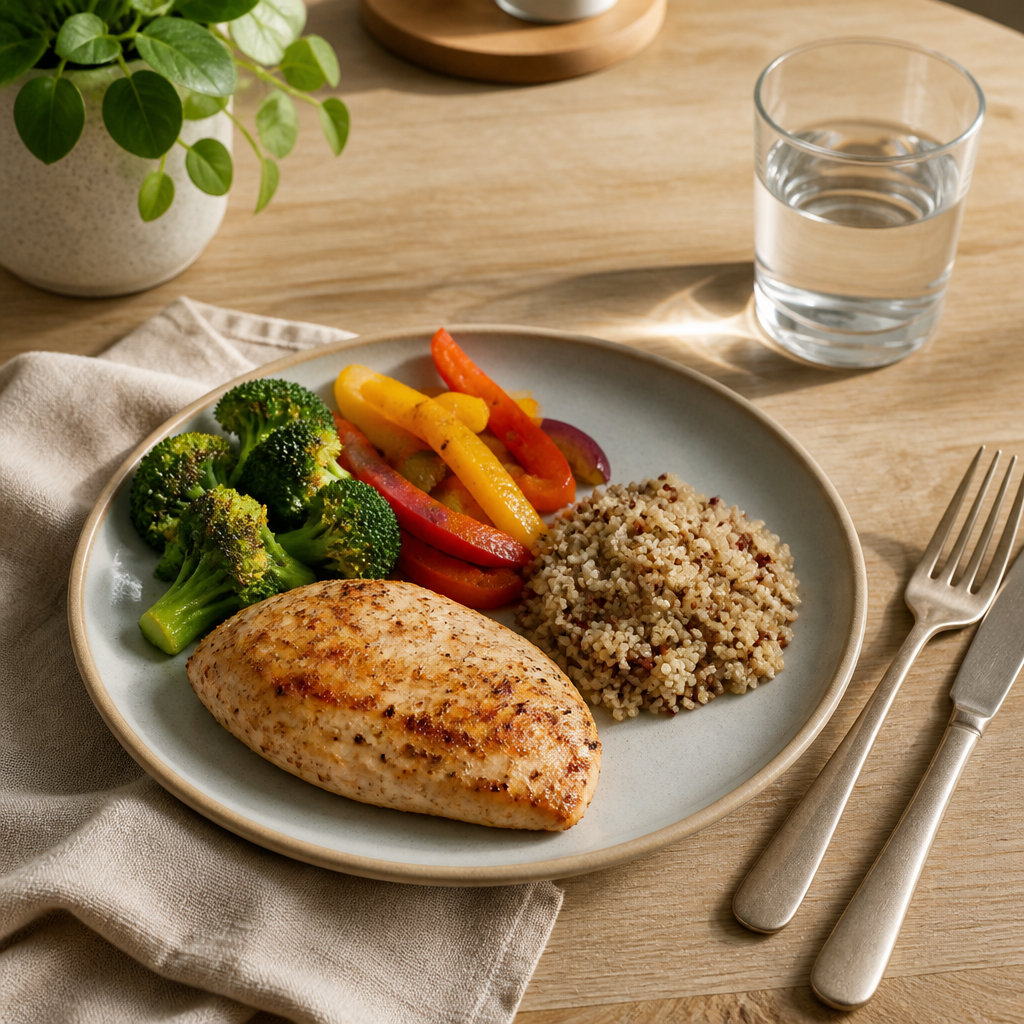
Understanding GLP-1 Receptor Agonists and Dietary Choices
GLP-1 receptor agonists are a class of medications that can influence appetite, satiety, and digestion. For individuals who are prescribed these medications, dietary adjustments are often beneficial to support overall health and optimize treatment outcomes.
These medications typically slow gastric emptying, which can contribute to a feeling of fullness. This effect, combined with changes in appetite signaling, may lead to reduced food intake. Consequently, it becomes even more important to ensure that the food consumed is nutrient-dense.
The goal is not simply to eat less, but to eat well. Making conscious, informed food choices can help manage potential side effects, maintain energy levels, and promote a sense of well-being while using these agents.
Key Nutritional Considerations
When incorporating GLP-1 receptor agonists into a wellness plan, focusing on balanced nutrition can be supportive.
- **Prioritize Protein**: Adequate protein intake is crucial. Protein can help preserve muscle mass, which is particularly important during periods of weight change. Lean sources such as poultry, fish, eggs, tofu, lentils, and Greek yogurt are good options. Aim for a protein source at each meal.
- **Include Fiber-Rich Foods**: Fiber aids digestive health and can enhance satiety. Foods like non-starchy vegetables (e.g., leafy greens, broccoli, bell peppers), fruits (berries, apples), whole grains (quinoa, oats), and legumes (beans, lentils) are excellent sources.
- **Healthy Fats in Moderation**: Healthy fats are essential for hormone production and nutrient absorption. Avocados, nuts, seeds, and olive oil can be incorporated in appropriate portions. They also contribute to feelings of fullness.
- **Hydration is Key**: Drinking sufficient water throughout the day is always important, but it can be particularly helpful for managing potential constipation, a known side effect for some individuals on GLP-1 receptor agonists. Water also supports overall bodily functions.
- **Mindful Eating Practices**: Eating slowly and paying attention to hunger and fullness cues can be beneficial. Because GLP-1 receptor agonists can prolong satiety, it may take longer to feel full, and it may also take longer for the feeling of hunger to return. Tuning into these internal signals can help guide portion sizes.
Foods to Consider Limiting
While personal tolerance varies, some foods may be less well-tolerated or less beneficial for individuals using GLP-1 receptor agonists:
- **High-Fat, Greasy Foods**: These can sometimes exacerbate gastrointestinal symptoms such as nausea or indigestion, due to the slowed gastric emptying effect of the medication.
- **Sugary Drinks and Ultra-Processed Foods**: These often provide minimal nutritional value and can contribute to blood sugar fluctuations, which may not align with overall wellness goals. They can also lead to nutrient deficiencies if they displace more nutrient-dense options.
- **Large Portions**: Even healthy foods can cause discomfort if consumed in excessive quantities, especially with delayed gastric emptying. Smaller, more frequent meals may be better tolerated by some individuals than large meals.
It is important to remember that these are general considerations. Individual nutritional needs can vary. Consulting with a healthcare provider or a registered dietitian can provide personalized guidance tailored to specific health goals and medication use.
Want to talk about this with a physician?
Schedule a consultation