Skin
✨Understanding Medical-Grade Versus Over-the-Counter Skincare
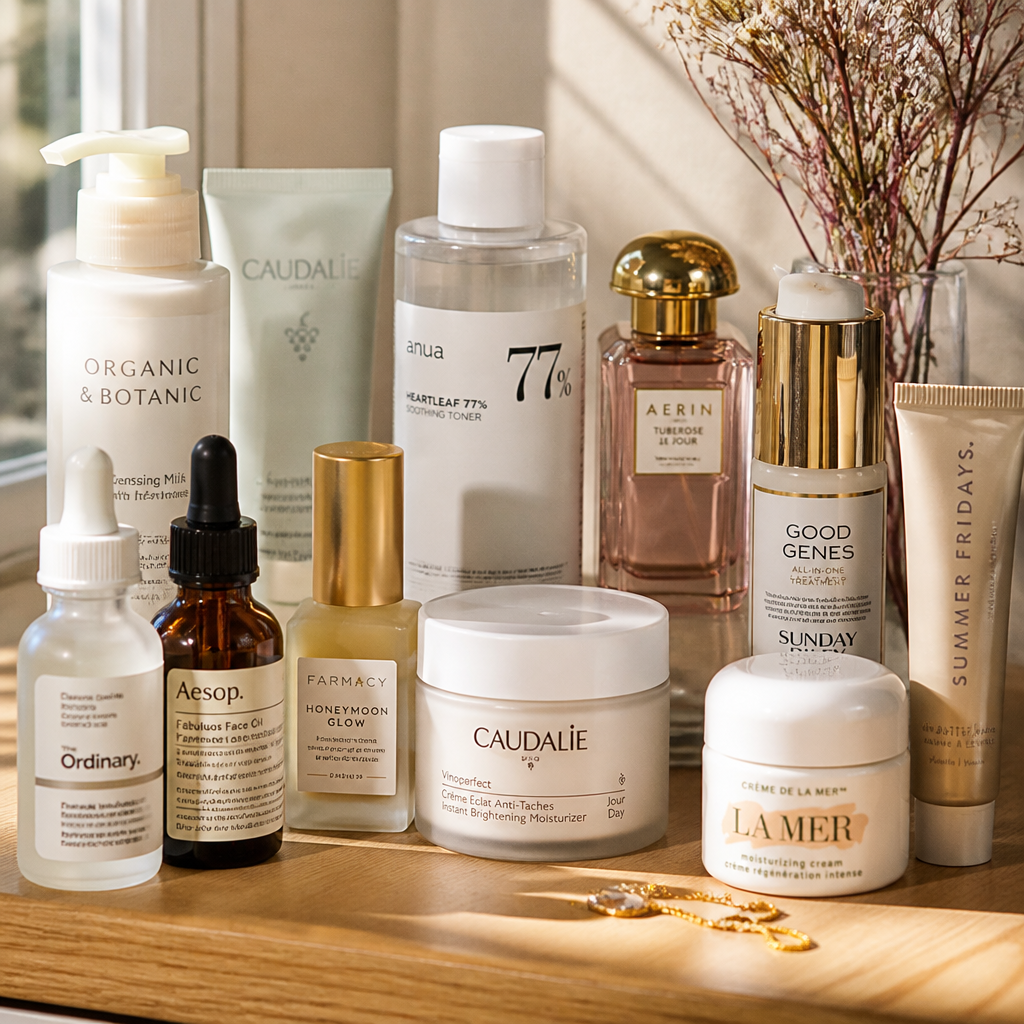
When navigating the expansive world of skincare, consumers frequently encounter two primary categories: medical-grade and over-the-counter (OTC) products. While both aim to improve skin appearance and health, their approaches, efficacy, and regulatory frameworks often differ significantly.
Over-the-counter products are widely available in drugstores, supermarkets, and beauty retailers. Their formulations are designed to be safe for general public use, often containing active ingredients at lower concentrations. These products can be beneficial for maintaining basic skin hygiene, providing hydration, and addressing minor cosmetic concerns. However, the depth of penetration and the intensity of the results may be limited due to these lower concentrations and sometimes less stable ingredient forms.
In contrast, medical-grade, or professional-grade, skincare products are typically distributed through medical professionals, such as dermatologists, plastic surgeons, and MedSpas. These products often contain higher concentrations of active ingredients, and their formulations are frequently supported by more extensive clinical research. The goal of medical-grade skincare extends beyond surface-level improvements, aiming to induce more profound cellular changes within the skin.
Key Distinctions in Formulation and Efficacy
The primary difference often lies in the concentration and quality of active ingredients. Medical-grade products may contain ingredients like retinoids, antioxidants, and peptides in strengths that are not permissible or practical for OTC formulations. This allows for more targeted and potent effects on specific skin concerns, such as fine lines, hyperpigmentation, acne, and textural irregularities.
Furthermore, the delivery systems used in medical-grade skincare are frequently more advanced. These systems are designed to enhance the absorption and stability of active ingredients, ensuring they reach the deeper layers of the skin where they can exert their most significant effects. OTC products, while effective for basic needs, may not always incorporate these advanced delivery mechanisms.
Understanding Regulation and Professional Guidance
The regulatory landscape for skincare also contributes to these differences. OTC products are generally regulated by the FDA as cosmetics, meaning they do not require pre-market approval and primarily focus on safety and labeling. Medical-grade products, while still often classified as cosmetics, tend to adhere to higher manufacturing standards and often undergo more rigorous testing to substantiate their claims.
The involvement of a medical professional is a hallmark of medical-grade skincare. A physician or trained aesthetician can assess an individual's unique skin concerns, medical history, and lifestyle to recommend a customized regimen. This personalized approach helps optimize results and minimize potential adverse reactions, which can be more likely with higher concentrations of active ingredients. This guidance is crucial for safe and effective use, ensuring that the chosen products align with individual skin needs and goals.
Want to talk about this with a physician?
Schedule a consultation