Skin
🧴Understanding Medical-Grade Versus Over-the-Counter Skincare
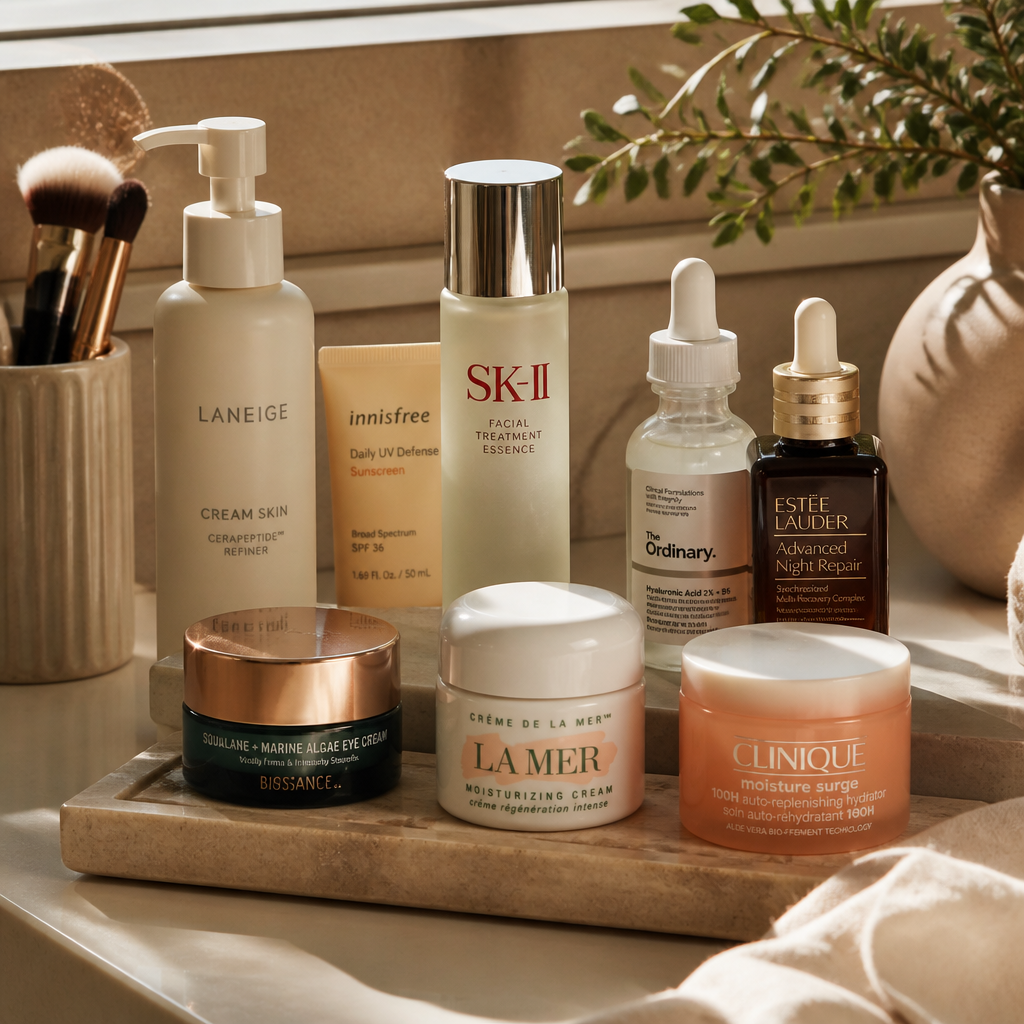
Many individuals seek effective solutions to improve their skin's appearance and health. The skincare market offers a wide array of products, broadly categorized into over-the-counter (OTC) and medical-grade options. While both aim to address skin concerns, their formulations, concentrations, and regulatory oversight often differ significantly.
Key Differences in Formulation and Concentration
Over-the-counter skincare products are widely accessible in drugstores, supermarkets, and beauty retailers. They are generally formulated for a broad consumer base and often contain active ingredients at lower concentrations. This approach minimizes the risk of irritation for diverse skin types. OTC products primarily focus on surface-level concerns such as hydration, mild exfoliation, and temporary improvements in skin texture.
Medical-grade skincare, conversely, is typically available through licensed medical professionals, such as those in a MedSpa or dermatology clinic. These products are often developed with a deeper understanding of skin physiology and contain active ingredients at higher concentrations. The formulations are frequently backed by clinical research and are designed to penetrate more deeply into the skin to target specific concerns like hyperpigmentation, fine lines, acne, and sun damage more effectively. The higher potency of these ingredients necessitates professional guidance to ensure appropriate use and to mitigate potential side effects.
- **Active Ingredient Concentration:** Medical-grade products often feature a higher percentage of active ingredients, leading to more pronounced biological effects on the skin.
- **Ingredient Purity and Delivery Systems:** Medical-grade formulations often prioritize pharmaceutical-grade ingredients and advanced delivery systems designed to enhance ingredient stability and penetration.
- **Regulatory Oversight:** While OTC products are regulated by the FDA as cosmetics, medical-grade products often fall under stricter guidelines or are categorized as cosmeceuticals, bridging the gap between cosmetics and pharmaceuticals.
Guidance for Choosing Skincare
Selecting the appropriate skincare regimen depends on individual skin concerns, goals, and overall skin health. For general maintenance and mild concerns, OTC products can be a suitable choice. They provide essential hydration, sun protection, and basic cleansing.
However, for more significant or persistent skin issues, or when seeking more transformative results, medical-grade skincare may be more beneficial. The guidance of a qualified healthcare provider is crucial in this context. A professional can conduct a thorough skin assessment, identify underlying concerns, and recommend a tailored regimen that incorporates medical-grade products safely and effectively. This personalized approach helps to optimize outcomes while minimizing the risk of adverse reactions.
- **Professional Consultation:** A consultation with a MedSpa professional or dermatologist can help clarify which products are best suited for your specific skin type and concerns.
- **Ingredient Awareness:** Understanding key active ingredients, such as retinoids, alpha hydroxy acids (AHAs), beta hydroxy acids (BHAs), and antioxidants, can empower you to make informed decisions.
- **Consistency is Key:** Regardless of the product type, consistent use as directed is fundamental to achieving and maintaining desired skin health improvements.
Ultimately, both medical-grade and over-the-counter skincare have their place. The most effective approach often involves a combination of products and strategies, guided by professional expertise, to support long-term skin wellness.
Want to talk about this with a physician?
Schedule a consultation