Skin
✨Understanding Skincare: Medical-Grade vs. Over-the-Counter Formulations
Differentiating Skincare Formulations
When considering skincare products, consumers often encounter two broad categories: over-the-counter (OTC) and medical-grade, sometimes referred to as cosmeceutical. While both aim to improve skin appearance, their approach to achieving these results can differ significantly.
Over-the-counter products are widely available in drugstores, supermarkets, and department stores. These formulations are designed for general use, often focusing on hydration, basic cleansing, and mild protection. Their primary role is to maintain skin health rather than to address specific skin conditions deeply.
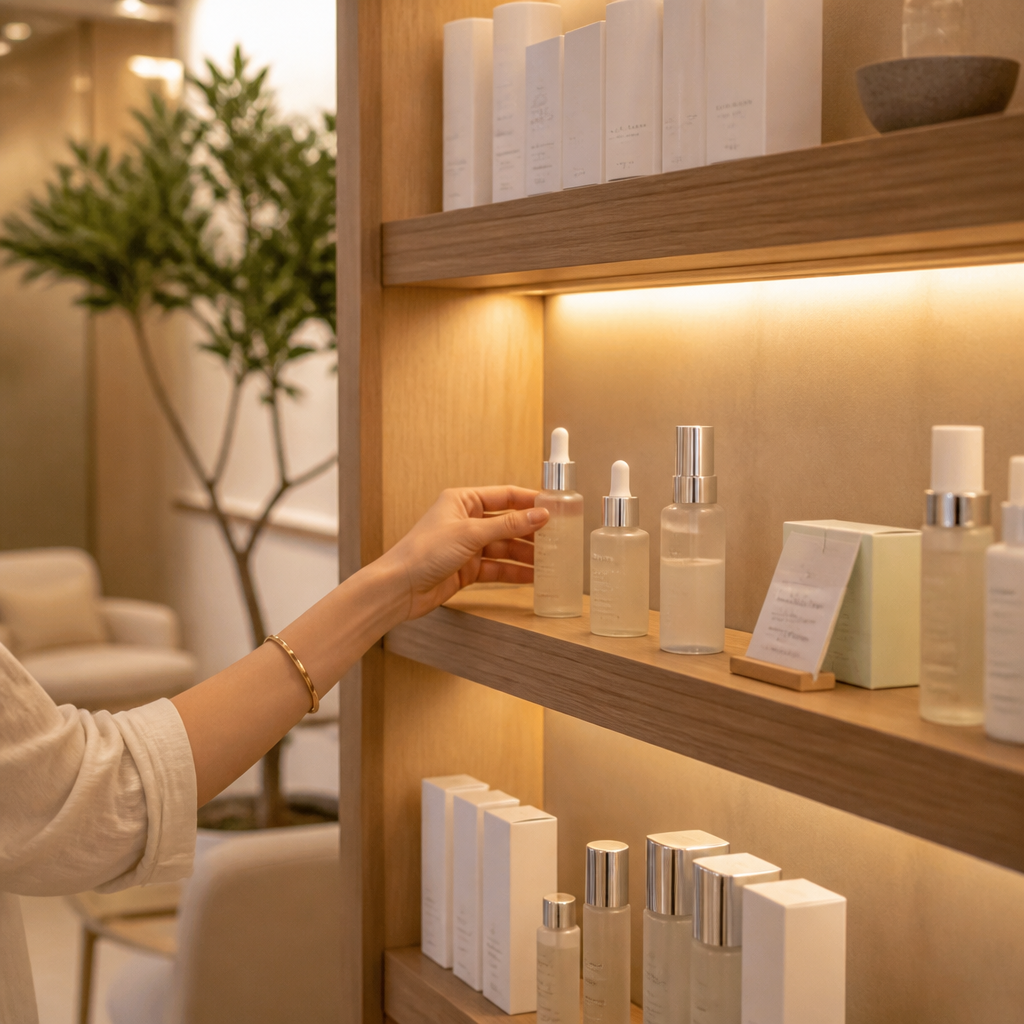
Medical-grade skincare products are typically found in dermatology offices, MedSpas, or through licensed professionals. These products often contain higher concentrations of active ingredients and may be formulated to penetrate the skin more effectively. Their development usually involves more rigorous research, aiming to address particular skin concerns with targeted efficacy.
Key Distinctions in Skincare
The fundamental differences between these two categories lie in several key areas:
- **Ingredient Concentration:** Medical-grade products often contain a higher percentage of active ingredients, such as retinoids, alpha hydroxy acids (AHAs), antioxidants, and peptides. OTC products are limited in the concentrations they can use to ensure broad safety without professional oversight.
- **Formulation and Penetration:** The way ingredients are delivered to the skin is crucial. Medical-grade formulations often utilize advanced delivery systems that enhance ingredient absorption and stability. This can allow active compounds to reach deeper layers of the skin where they can exert more significant effects.
- **Regulatory Oversight:** OTC products are regulated by the FDA as cosmetics, which means they are not required to undergo the same rigorous testing for efficacy and safety as drugs. While the FDA monitors medical-grade products more closely, particularly if they make drug-like claims, they still fall under a hybrid category (cosmeceuticals) that exists between traditional cosmetics and pharmaceuticals.
- **Scientific Research and Support:** Medical-grade skincare often benefits from more extensive clinical studies and peer-reviewed research supporting its claims. This scientific backing can provide a clearer understanding of a product's potential benefits and how it interacts with the skin.
Choosing the Right Skincare for You
The choice between over-the-counter and medical-grade skincare depends on individual skin concerns, goals, and desired intensity of treatment. For general skin maintenance and mild concerns, OTC products can be a suitable option. They offer accessible solutions for daily cleansing, moisturizing, and sun protection.
For those seeking to address more specific or persistent skin concerns, such as fine lines, hyperpigmentation, acne, or textural irregularities, medical-grade products may offer a more focused and potentially more effective approach. Due to the higher potency and targeted nature of these products, professional guidance is often recommended. A qualified skincare professional can assess your skin, understand your concerns, and recommend a regimen tailored to your unique needs, helping to optimize results and minimize potential irritation.
Ultimately, a well-informed approach to skincare considers both the product's formulation and the specific needs of your skin, ideally supported by professional advice.
Want to talk about this with a physician?
Schedule a consultation